


13 May 2026 at 9:36:27 am
New Zealand Immigration News: Winston Peters Criticises Luxon Over FTA Visa Comments
Winston Peters has publicly challenged Christopher Luxon over immigration comments linked to the New Zealand-India FTA debate.
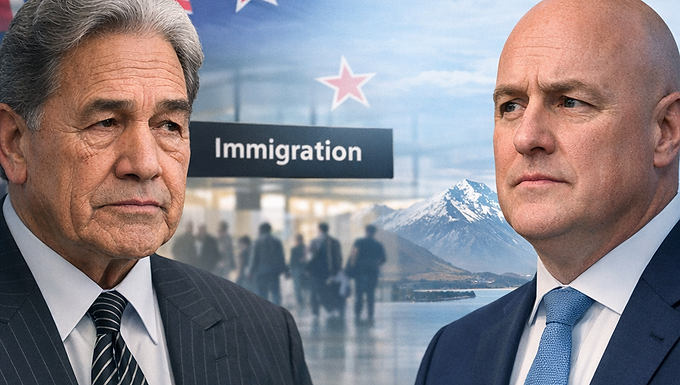
Deputy Prime Minister Winston Peters has taken aim at Prime Minister Christopher Luxon over comments about immigration, in the latest sign of tension inside the governing coalition. The dispute centres on the proposed New Zealand-India free trade agreement (FTA), with New Zealand First continuing to oppose what it describes as the deal’s “ludicrous immigration implications”.
The political disagreement matters because immigration settings are often closely watched by people planning a New Zealand Visa pathway or looking for signals about future Immigration NZ policy. In this case, however, the issue is not a confirmed visa rule change. It is a public argument between coalition partners about what could be included in a future trade deal and how immigration should be discussed.
What has changed
The immediate development is political rather than regulatory. Peters has criticised Luxon over remarks connected to immigration and the possible shape of a trade agreement with India. According to the source material, New Zealand First is continuing to push back strongly against any immigration-related elements it believes could flow from the FTA.
This has exposed internal coalition friction. The source describes it as the latest example of disagreement within the government, with New Zealand First publicly railing against the FTA’s immigration implications. That suggests immigration remains a sensitive issue inside the coalition, especially when linked to trade negotiations and international agreements.
At this stage, the source material does not set out any confirmed new visa category, any formal Immigration NZ instruction, or any enacted policy change. It reports a political clash over comments and over the broader direction of negotiations. For migrants and employers, that distinction is important: debate and criticism do not automatically mean the law or visa rules have changed.
Because the source is focused on the political exchange, there is also no confirmed detail here about who would be affected, what visa settings might be altered, or when any change could happen. The key update is that senior government figures are publicly divided on immigration-related aspects of a possible FTA.
What this means for migrants
For people hoping to move to New Zealand, the main takeaway is caution. The source does not confirm any new pathway, restriction, or entitlement. If you are researching a New Zealand Visa or trying to understand whether trade negotiations could create new migration options, there is not enough in this report to treat it as a practical immigration change.
What the report does show is that immigration remains politically contested, especially when it intersects with trade policy. Public disagreement at the top of government can create uncertainty, but uncertainty is not the same as a rule change. Migrants should avoid making decisions based on headlines alone, particularly when the underlying issue is still being argued politically.
For current applicants, prospective migrants, and employers, the safest approach is to rely on confirmed policy announcements rather than commentary from political debate. If you are trying to assess how future developments could affect your plans to move to New Zealand, it may help to get professional guidance based on your own circumstances rather than assumptions about what a future agreement might include.
If you want support understanding your options, you can get matched with an adviser for advice tailored to your situation.
What to do next
For now, monitor official updates carefully. This report points to coalition disagreement, but it does not announce a final immigration outcome. Anyone considering a move should wait for confirmed information before changing plans, lodging an application on a new assumption, or relying on possible FTA-related migration settings.
It is also sensible to separate political messaging from operational immigration policy. Comments from ministers can indicate direction, but only formal government decisions and published Immigration NZ rules determine how visa applications are assessed. Until there is a clear announcement, migrants should continue planning on the basis of current settings.
If your plans are time-sensitive, consider reviewing your existing visa options and checking whether your current pathway remains the best fit. A licensed immigration adviser can help you understand what is confirmed, what is still uncertain, and how to prepare if policy settings shift later.
Ready to move to New Zealand? Start your assessment to get matched with a licensed immigration adviser suited to your situation.